
What Does Vehicle Inspection Involve: A Seller's Guide
Discover what does vehicle inspection involve to ensure your car's safety and readiness for sale. Learn the key checks you need!
What Does Vehicle Inspection Involve: A Seller’s Guide
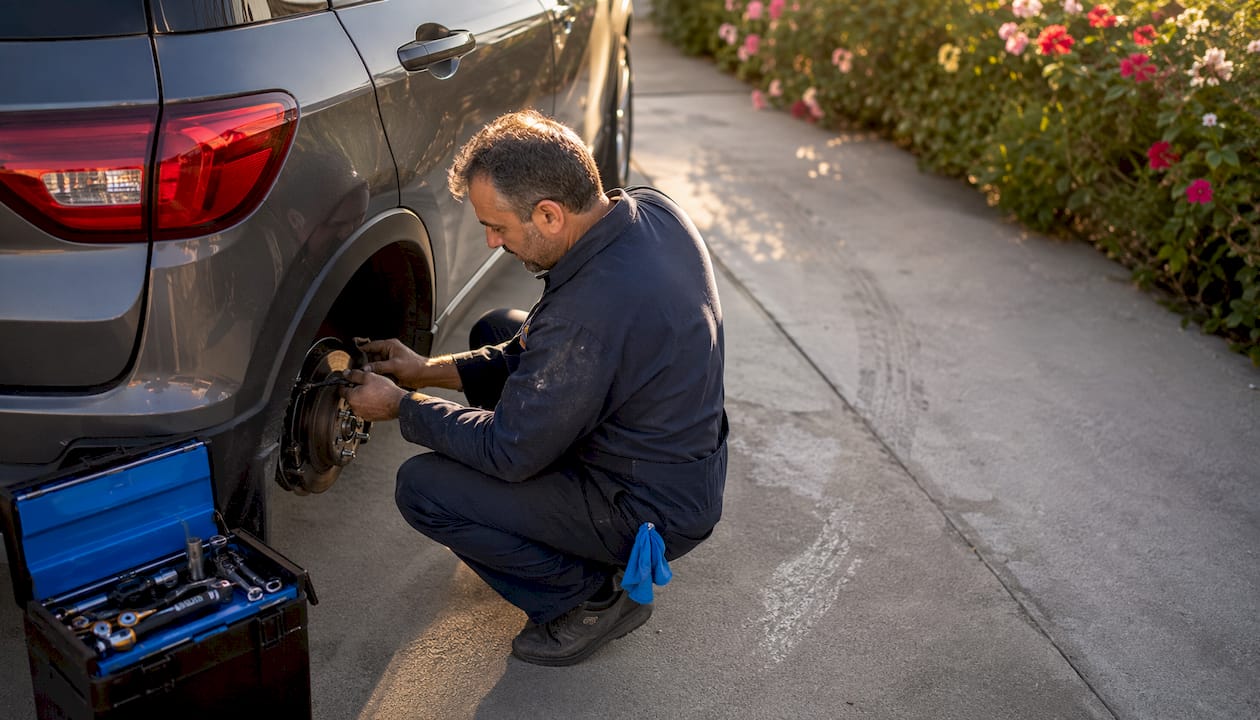
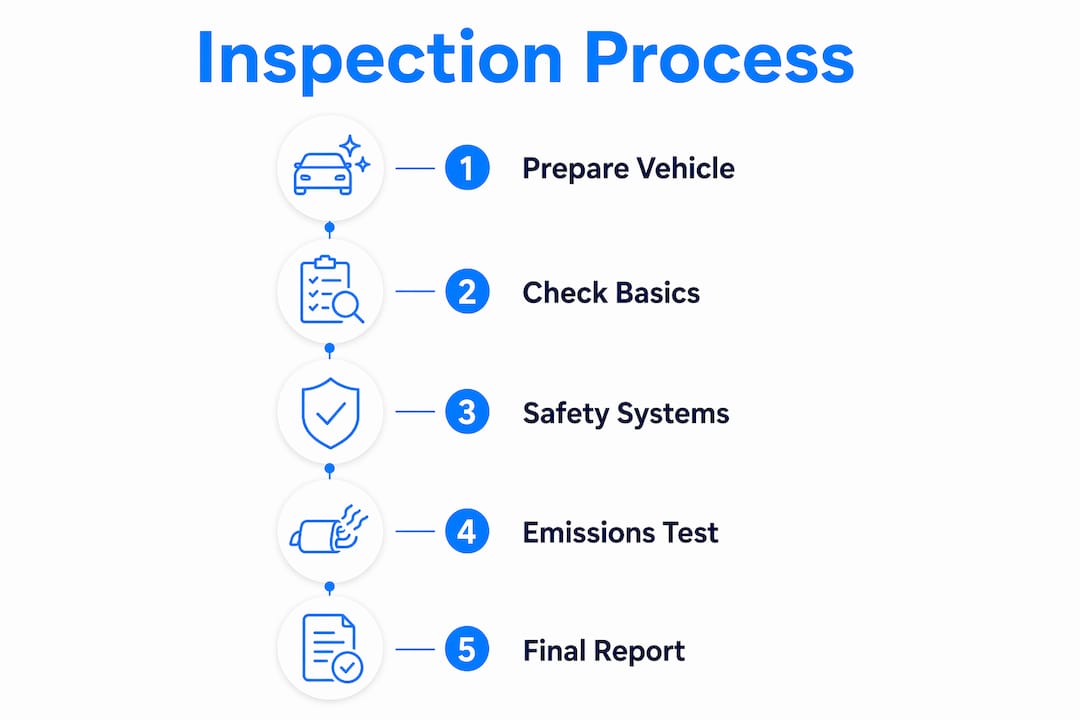
A vehicle inspection is a structured evaluation of your car’s key systems, safety components, and overall condition. Inspectors check brakes, tires, lights, steering, suspension, windshield, and the emissions system. The result is typically a pass or fail verdict, often accompanied by a written report detailing any defects found.
Here’s what a standard vehicle inspection covers:
- Brakes: Pad wear, rotor condition, fluid levels, and parking brake function
- Tires: Tread depth, sidewall condition, and spare tire readiness
- Lights: Headlights, taillights, turn signals, brake lights, and license plate illumination
- Steering and suspension: Ball joints, tie rods, shock absorbers, and wheel alignment
- Windshield and glass: Cracks, chips, obstructions, and wiper blade condition
- Emissions system: OBD II diagnostics, catalytic converter presence, and gas cap integrity
- Seat belts and airbags: Auto-lock function, retraction, and airbag readiness lights
- Mirrors, horn, and exhaust: Visibility, audibility, and exhaust leakage
Inspectors also conduct a drive test to assess brake responsiveness, steering alignment, and engine smoothness, watching for smoke colors that signal mechanical trouble.
Table of Contents
- Safety inspections vs. pre-purchase inspections: what’s the difference?
- What happens if your vehicle fails an inspection?
- How digital vehicle inspections build trust with buyers
- How Sellkamocars makes selling after inspection fast and secure
- Common defects inspectors find most often
- How inspection results affect your appraisal offer
- How to prepare your vehicle for inspection
- Why inspection certifications matter when you sell
- Key Takeaways
Safety inspections vs. pre-purchase inspections: what’s the difference?
These two inspection types serve very different purposes, and confusing them can cost you.
State-mandated safety inspections confirm that your vehicle meets minimum legal standards for road operation. States like New York require annual safety and emissions checks before registration renewal. They verify compliance, not comprehensive mechanical health.
Pre-purchase inspections (PPIs) go much deeper. According to Consumer Reports, a professional pre-purchase inspection is the most effective safeguard against buying a vehicle with hidden defects. A PPI covers the full mechanical condition, including items a state check would never flag.
Key distinctions:
- Mandated inspections focus on legal roadworthiness and emissions compliance
- PPIs assess engine internals, transmission health, fluid conditions, and body integrity
- As JD Power notes, state safety checks do not equal a full mechanical health assessment
- Sellers benefit from a PPI because it surfaces issues before a buyer’s inspector does
If you’re preparing to sell, understanding both types helps you price accurately and avoid surprises during the transaction.
What happens if your vehicle fails an inspection?
Failing an inspection doesn’t end your sale. It does require fast action.
In Virginia, all defects must be corrected and the vehicle reinspected within 15 days. Driving with unresolved defects after that window can result in a traffic citation. In New York, a failed emissions inspection can block registration renewal entirely.
What sellers should do after a failure:
- Get the written Vehicle Inspection Report listing every failed item
- Choose any licensed repair shop for corrections, not just the original inspection station
- Address safety-critical items first: brakes, tires, and lights carry the most weight
- Schedule reinspection promptly to avoid registration lapses that complicate a sale
Proactively fixing inspection failures before listing your vehicle removes a major negotiating obstacle for buyers.
How digital vehicle inspections build trust with buyers
Digital Vehicle Inspections (DVIs) replace paper checklists with photo and video documentation of every finding. Service centers use DVIs to give vehicle owners clear visual evidence of defects and completed repairs, making the inspection record verifiable rather than just verbal.

For sellers, DVIs offer a concrete advantage. A buyer reviewing timestamped photos of your brake pads, tire tread, and clean engine bay has far less reason to negotiate aggressively on price. The documentation speaks for itself. Online appraisal services also use DVI-style records to validate condition claims, which directly affects the offer you receive. Pairing a DVI report with your listing signals transparency and can accelerate the sale. You can learn more about secure online selling to see how digital documentation fits the modern selling process.
How Sellkamocars makes selling after inspection fast and secure
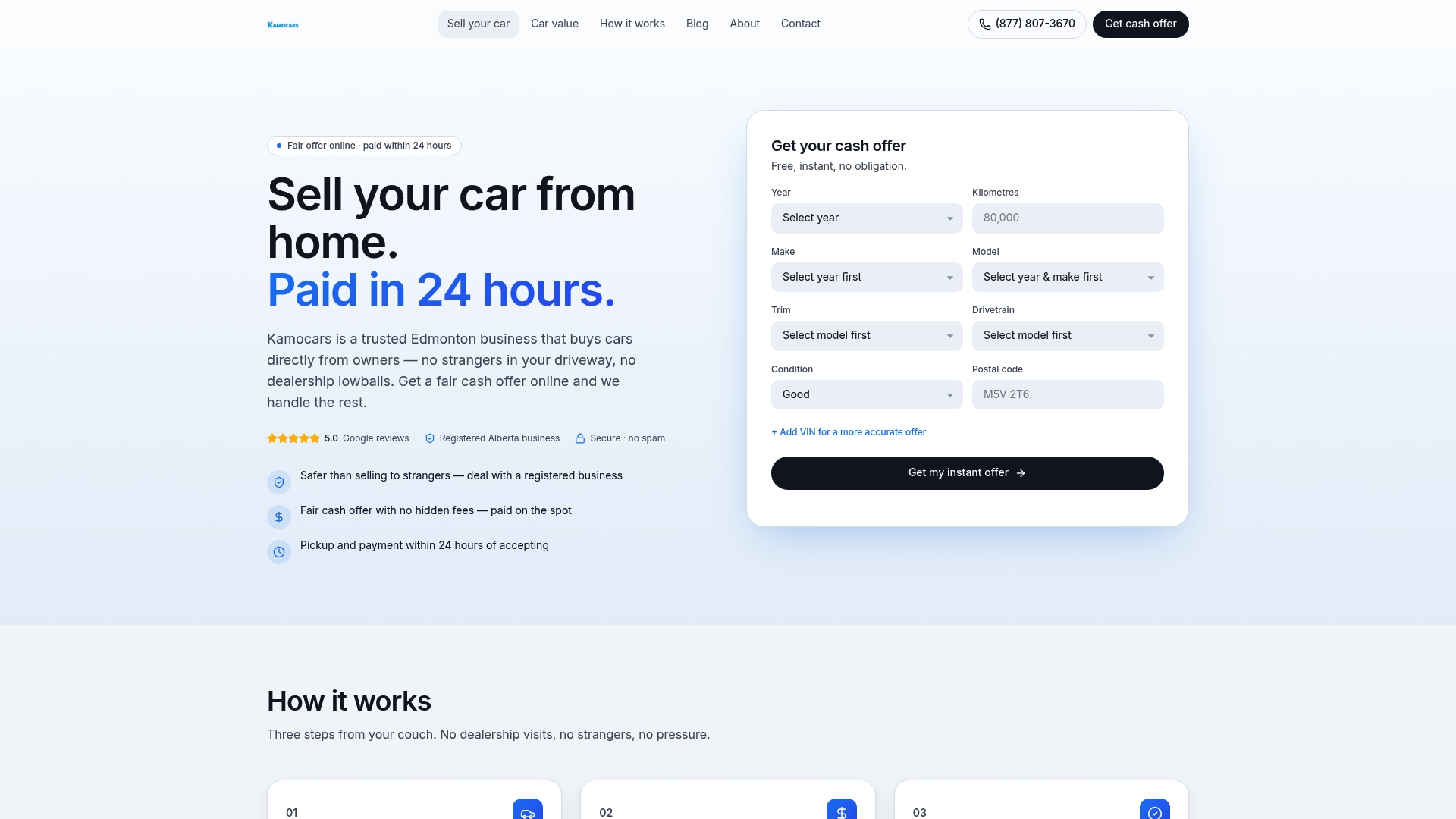
Once your vehicle passes inspection or you’ve addressed key defects, Sellkamocars turns the sale into a straightforward process. The service provides instant online appraisals based on current market data, so you know your vehicle’s fair value before any negotiation begins. With over 500 completed transactions, Sellkamocars has built a track record that private listings simply can’t match.
- Appraisals reflect live market conditions, not arbitrary dealer margins
- Pickup and payment happen within 24 hours of accepting an offer
- Registered business status protects sellers from the fraud risks common on informal platforms
- No haggling, no strangers showing up at your home
Pro Tip: Get your DVI report in hand before submitting your online appraisal. Documented condition evidence often supports a stronger offer from appraisal services.
Sell your car online through Sellkamocars and skip the back-and-forth entirely. You can also use the free car value tool to benchmark your vehicle before the appraisal.
Common defects inspectors find most often
Knowing what fails most frequently lets you fix problems before they become deal-breakers.
- Worn brake pads or rotors: The single most common failure across all vehicle types
- Tire tread below minimum depth: Often caught on vehicles with uneven wear from alignment issues
- Burned-out lights: Easy to overlook, but an automatic failure in every state program
- Cracked or chipped windshields: Chips in the driver’s line of sight fail immediately
- Check engine light active: Triggers OBD II failure; must be diagnosed and cleared before reinspection
- Leaking fluids: Oil, brake fluid, or power steering leaks flag structural or seal problems
- Worn wiper blades: Frequently missed during routine maintenance
How inspection results affect your appraisal offer
Inspection findings translate directly into dollar amounts on any appraisal. A vehicle with a clean inspection report and documented maintenance history commands a stronger offer than one with open defects. Online appraisal services factor vehicle condition into valuation the same way a dealer would, but without the lowball margin built in.
Specific impacts to expect:
- Active warning lights reduce offers because buyers price in diagnostic and repair costs
- Tire and brake wear signals deferred maintenance, which lowers perceived reliability
- A passed emissions test removes a common buyer objection in states with strict standards
- Clean bodywork and matching paint panels support higher condition ratings
Your car’s history combined with a clean inspection creates the strongest possible case for a top-tier appraisal.
How to prepare your vehicle for inspection
Preparation takes a few hours and can prevent a failed inspection entirely.
- Check all exterior lights and replace any burned-out bulbs before your appointment
- Inspect tire tread with a quarter: if Washington’s head is fully visible, tread is too low
- Top off brake fluid, power steering fluid, and windshield washer fluid
- Clear any active warning lights by having the underlying issue diagnosed first
- Schedule the inspection during daylight on a dry day; rain and artificial lighting hide body defects
- Allow the engine to cool for at least an hour before inspection to reveal start-up issues
- Bring your maintenance records; documented service history supports your condition claims
A thorough vehicle maintenance checklist can help you work through each system methodically before your appointment.
Why inspection certifications matter when you sell
A passed inspection sticker or certification does real work in a vehicle sale. It tells buyers the vehicle met a government-verified safety standard on a specific date, removing the most common objection in private transactions.
Certifications carry different weight depending on their source:
- State safety inspection sticker: Confirms minimum roadworthiness and emissions compliance
- Pre-purchase inspection report: A written mechanic’s report detailing condition, defects, and repair costs
- Certified Pre-Owned (CPO) designation: Manufacturer-backed multi-point inspection with warranty coverage
- Vehicle Inspection Report (VIR): The official document issued after emissions testing, required for registration renewal in many states
For sellers using online appraisal services, a current inspection sticker and a clean VIR reduce friction at every stage of the transaction. Buyers trust documented certifications more than seller descriptions, and appraisal platforms weight them accordingly. Pair your certification with complete sale documentation to close faster and with fewer disputes.
Key Takeaways
A vehicle inspection covers brakes, tires, lights, steering, emissions, and safety systems, and its results directly shape the offer you receive from any online appraisal service.
| Point | Details |
|---|---|
| Core systems checked | Brakes, tires, lights, steering, suspension, windshield, and emissions are evaluated in every standard inspection. |
| Safety vs. pre-purchase | State inspections confirm legal compliance; pre-purchase inspections reveal hidden mechanical defects. |
| Failure consequences | Defects must be corrected and reinspected within 15 days to avoid citations or registration denial. |
| Inspection impact on offers | Active warning lights, worn tires, and open defects reduce appraisal offers; a clean report supports stronger pricing. |
| Sellkamocars advantage | Instant market-based appraisals, 24-hour pickup, and payment remove the friction that follows a passed inspection. |
Recommended
Get a real cash offer in 2 minutes
Trusted business. Fair price. Paid on the spot when we pick up your car.