
Why Car Selling Takes Too Long: Real Reasons
Discover why car selling takes too long and learn actionable tips to speed up the process. Stop delays and sell your vehicle faster!
Why Car Selling Takes Too Long: Real Reasons
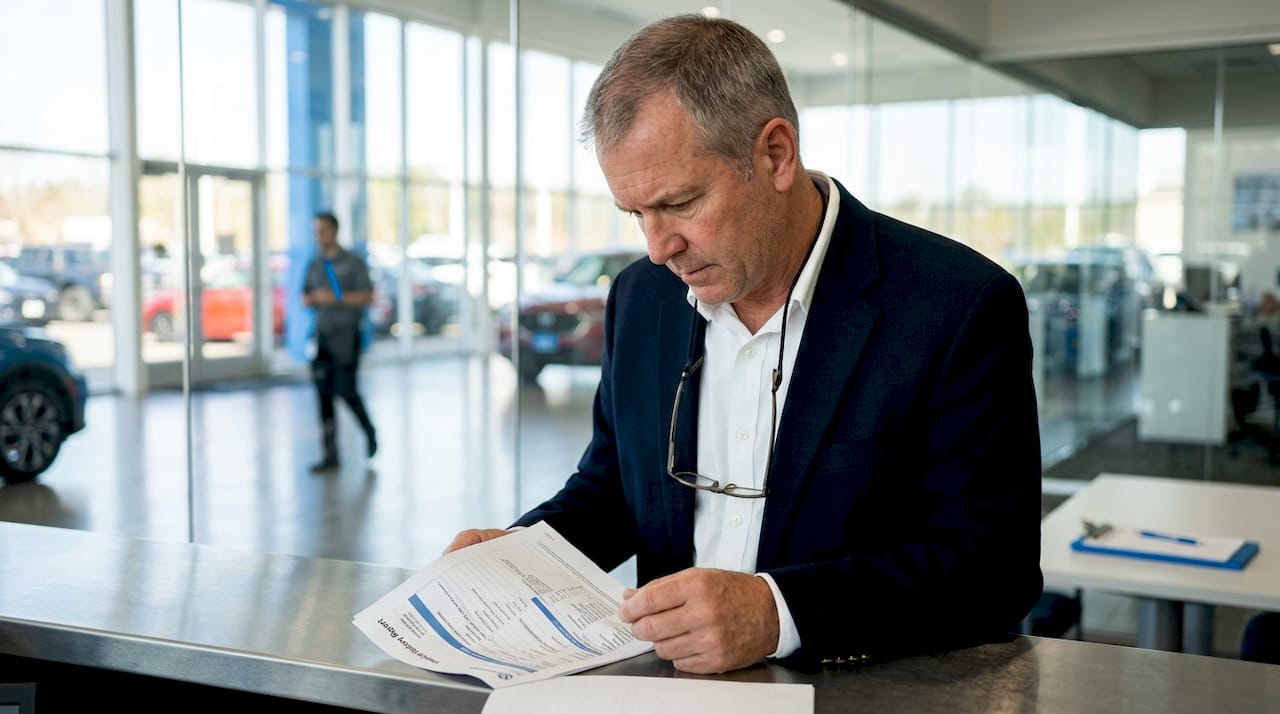
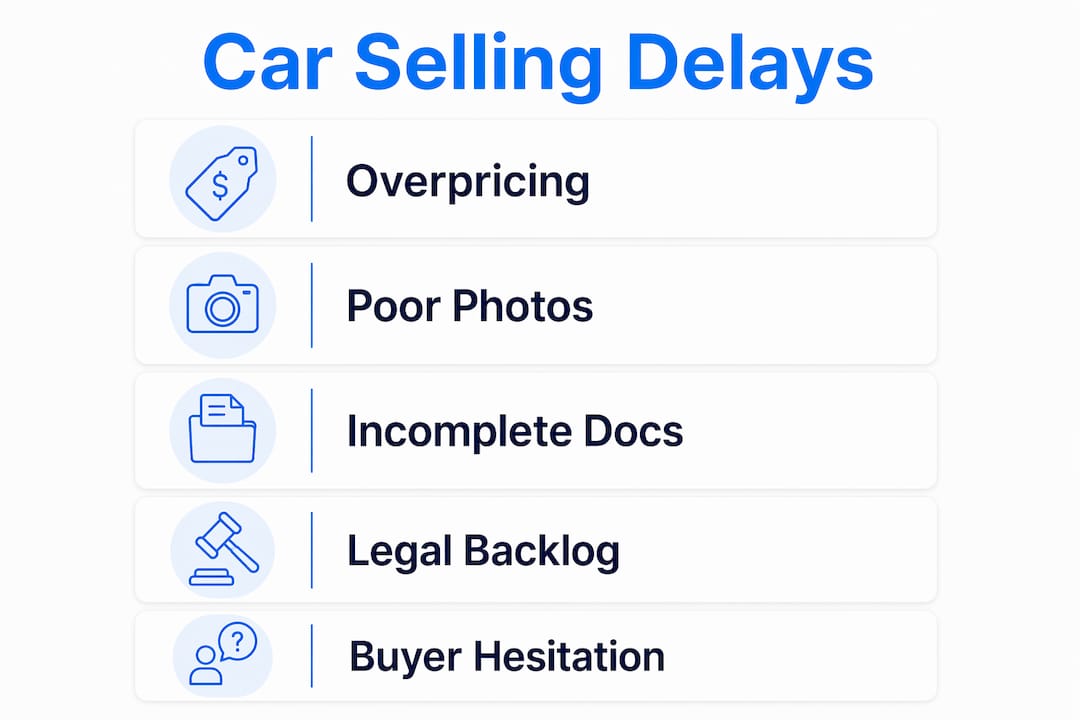
Car selling takes too long when overpricing, poor vehicle presentation, and administrative backlogs combine to block buyers at every stage of the process. These are not random delays. They follow predictable patterns that sellers can identify and fix. Understanding the core bottlenecks, from listing quality to title transfer timelines, gives you real control over how fast your car sells. This article breaks down each factor and shows you exactly where time gets lost.
Why car selling takes too long: the pricing problem
Overpricing is the single biggest reason a car sits on the market. Listings that linger almost always share one trait: the asking price is out of step with what buyers see elsewhere. Sellers attach emotional value to their vehicles, which pushes prices above what the market will bear. The result is fewer inquiries, fewer test drives, and a listing that goes stale.
Buyers scan multiple listings before contacting anyone. When your price is noticeably higher than comparable vehicles, most buyers skip your listing entirely. They do not negotiate down from an unrealistic number. They simply move on. This is why a car can sit for weeks with zero serious interest despite being in good condition.
Common reasons sellers overprice their vehicles:
- Basing the price on what they originally paid, not current market value
- Overestimating the value of recent repairs or upgrades
- Using outdated pricing guides that do not reflect current demand
- Anchoring to the highest comparable listing rather than the median
- Ignoring mileage penalties that buyers apply to high-odometer vehicles
A small, deliberate price reduction can restart buyer interest fast. Dropping your price by 3–5% after two weeks of low activity signals to buyers that you are motivated. It also triggers fresh visibility on most listing platforms, putting your car in front of new eyes.
Pro Tip: Check current sold prices, not just active listings, to set your price. Active listings show what sellers want. Sold prices show what buyers actually pay. That gap is often larger than sellers expect.
You can also review how pricing strategies affect how long vehicles stay on the market before committing to a number.
How does vehicle presentation affect how long it takes to sell?
Poor photos and vague descriptions are the second most common cause of slow sales. Professional photos and documented maintenance history sell cars faster than poorly presented listings at any price point. Buyers form their first impression in seconds. If your photos are dark, blurry, or show a cluttered background, most buyers click away before reading a single word of your description.
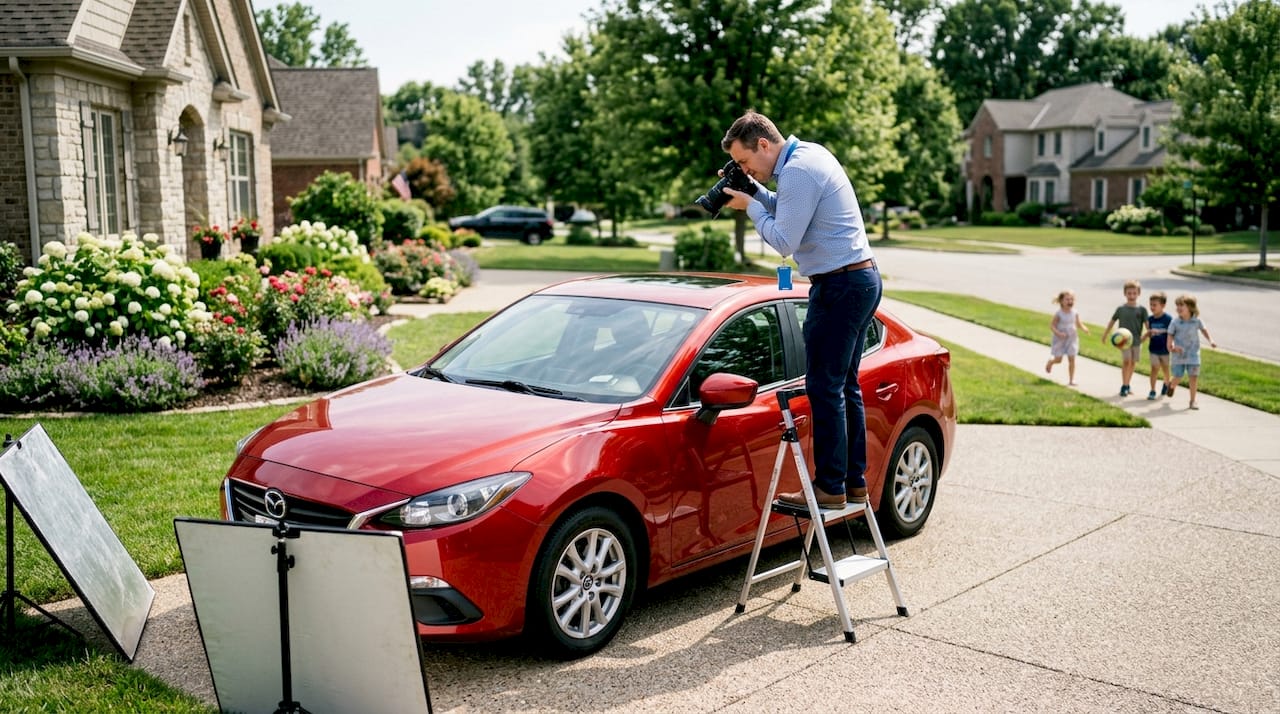
The “recon bottleneck” concept explains this well. In the dealership world, the Days to Front Line metric measures how long it takes from acquiring a vehicle to having it sale-ready. Delays in cleaning, inspecting, photographing, and listing a car directly reduce how quickly it sells and how much it earns. Private sellers face the same problem, just without a formal name for it.
Steps to fix your vehicle presentation before listing:
- Wash and detail the car inside and out before taking any photos.
- Shoot in natural daylight, ideally on an overcast day to avoid harsh shadows.
- Capture all four exterior angles, the interior front and rear, the dashboard, the engine bay, and the odometer.
- Write a description that includes the trim level, key features, recent service records, and any known issues.
- Disclose cosmetic flaws honestly. Buyers who discover problems in person lose trust immediately and often walk away.
Missing or unclear documents reduce buyer confidence just as much as bad photos. A complete service history, a clean title, and a valid registration all signal that the transaction will be straightforward. Buyers pay more and decide faster when paperwork is ready.
Pro Tip: Include your car’s VIN in the listing. Serious buyers run vehicle history reports before visiting. Providing the VIN upfront removes a barrier and shows you have nothing to hide.
A detailed car history guide explains exactly how service records affect the price buyers are willing to pay.
How do administrative and legal delays affect car selling timelines?
Administrative backlogs are the most underestimated factor in car selling process delays. State motor departments can delay title and registration processing for weeks or even months. The physical handover of a vehicle can happen in an afternoon. The legal transfer of ownership is a separate process entirely, and it moves on the government’s schedule, not yours.
The legal exposure during this gap is serious. Sellers remain legally responsible for traffic violations, toll charges, and even criminal misuse of the vehicle until the registration transfer is officially complete. Most sellers do not realize this until something goes wrong.
| Administrative delay factor | Impact on seller |
|---|---|
| Title processing backlog | Sale cannot legally close until title clears |
| Registration transfer lag | Seller remains liable for vehicle use after handover |
| Missing lien release | Buyer cannot register the vehicle; deal stalls |
| Incomplete seller documentation | Transfer rejected; process restarts from the beginning |
| State-specific workflow variation | Timelines are unpredictable and outside seller control |
“Ownership transfer is a state-regulated process dependent on local workflows and approvals outside platform control. Delays cause anxiety and seller risk. Clear communication and legal protection during this phase are what build seller trust, not just speed.” — The Economic Times
The practical lesson here is straightforward. Gather every document before you list the vehicle. That means the title, any lien release letter from your lender, the current registration, and your government-issued ID. Sellers who wait until a buyer appears to chase down paperwork add days or weeks to the closing timeline.
What market and buyer psychology factors slow down car sales?
Buyer behavior is a major but often invisible factor in car selling timelines. Buyers are cautious about future repair costs, especially with luxury SUVs and high-performance vehicles. That caution slows decision-making and extends the time between first inquiry and final sale. A buyer who is worried about a $3,000 repair bill will take much longer to commit than one who feels confident in the vehicle’s reliability.
Certain vehicle types carry longer average selling times regardless of condition or price. High-mileage vehicles, discontinued models, and cars with known reliability concerns all face a smaller pool of willing buyers. That smaller pool means fewer inquiries and more time on the market.
External market forces also shape how long a car takes to sell:
- Seasonal demand shifts affect buyer activity significantly. Convertibles sell faster in spring. Four-wheel-drive trucks move quickly before winter.
- Fuel price changes push buyers toward or away from certain vehicle types. Rising gas prices shrink demand for large SUVs almost immediately.
- New model launches reduce buyer interest in older versions of the same vehicle.
- Economic uncertainty makes buyers more conservative, extending the time they spend researching before committing.
Understanding how car condition affects buyer hesitation helps sellers set realistic expectations and address concerns before they become objections.
What are the most effective strategies to sell a car faster?
Sellers who cut their time on market share a few consistent habits. They price accurately from day one, prepare the vehicle before listing, and have every document ready before the first buyer calls. Each of these steps removes a friction point that would otherwise slow the sale.
- Set a market-aligned price immediately. Research sold prices for your exact make, model, trim, year, and mileage. Price within 5% of the median. Overpriced listings lose momentum fast and rarely recover it.
- Invest in professional-quality photos. Use a clean location, natural light, and capture every angle. Listings with strong visuals receive significantly more inquiries than those with phone snapshots taken in a driveway.
- Prepare all legal documents before listing. Locate your title, lien release if applicable, service records, and registration. Buyers who find a seller unprepared on paperwork often walk away.
- Respond to inquiries within two hours. Buyers contact multiple sellers simultaneously. The first seller to respond with clear, confident answers usually wins the sale.
- Verify that the buyer initiates the ownership transfer promptly. Follow up after handover to confirm the transfer is in progress. This protects you from ongoing legal liability.
Pro Tip: If you have a lien on the vehicle, contact your lender before listing. Get a payoff quote and a written lien release process in writing. Buyers who discover a lien at closing often back out, even when the deal is otherwise solid.
Sellers who want to skip these steps entirely can explore a cash offer process that handles pricing, paperwork, and transfer in a single transaction.
Key Takeaways
Car selling takes too long when sellers ignore pricing accuracy, vehicle presentation, and document readiness before the first buyer ever contacts them.
| Point | Details |
|---|---|
| Overpricing kills momentum | Price within 5% of median sold prices to generate consistent buyer interest. |
| Presentation drives trust | Professional photos and complete service records reduce buyer hesitation and speed decisions. |
| Documents must be ready upfront | Missing titles or lien releases stall closings and push buyers to other listings. |
| Legal liability outlasts the handover | Sellers remain responsible for the vehicle until registration transfer officially completes. |
| Market timing matters | Seasonal demand, fuel prices, and economic conditions all affect how fast a car sells. |
What I’ve learned after watching hundreds of car sales stall
The sellers I see struggle most are not the ones with bad cars. They are the ones who treat the listing as an afterthought. They take three photos on a cloudy afternoon, write four sentences of description, and then wonder why no one calls. The car is fine. The presentation signals that the seller is not serious, and buyers read that signal immediately.
The legal side surprises people even more. Most sellers assume that once the buyer drives away, the transaction is done. It is not. Seller trust during transfer delays depends more on clarity and risk protection than on actual speed. You need to know what happens between handover and official transfer, and you need to protect yourself during that window.
My honest advice: treat your car sale like a business transaction from the first day. Price it with data, not emotion. Photograph it like you are selling it to a stranger who cannot see it in person, because you are. Have every document in a folder before you post the listing. And if the administrative side feels too complicated, use a service that handles it for you. The time you save is worth more than the few hundred dollars you might negotiate on your own.
— Omar
Sell your car faster with Sellkamocars
If the delays described in this article sound familiar, Sellkamocars offers a direct alternative. Sellers in Edmonton and across Canada receive a fair cash offer based on current market data, with no haggling and no waiting for a buyer to show up.
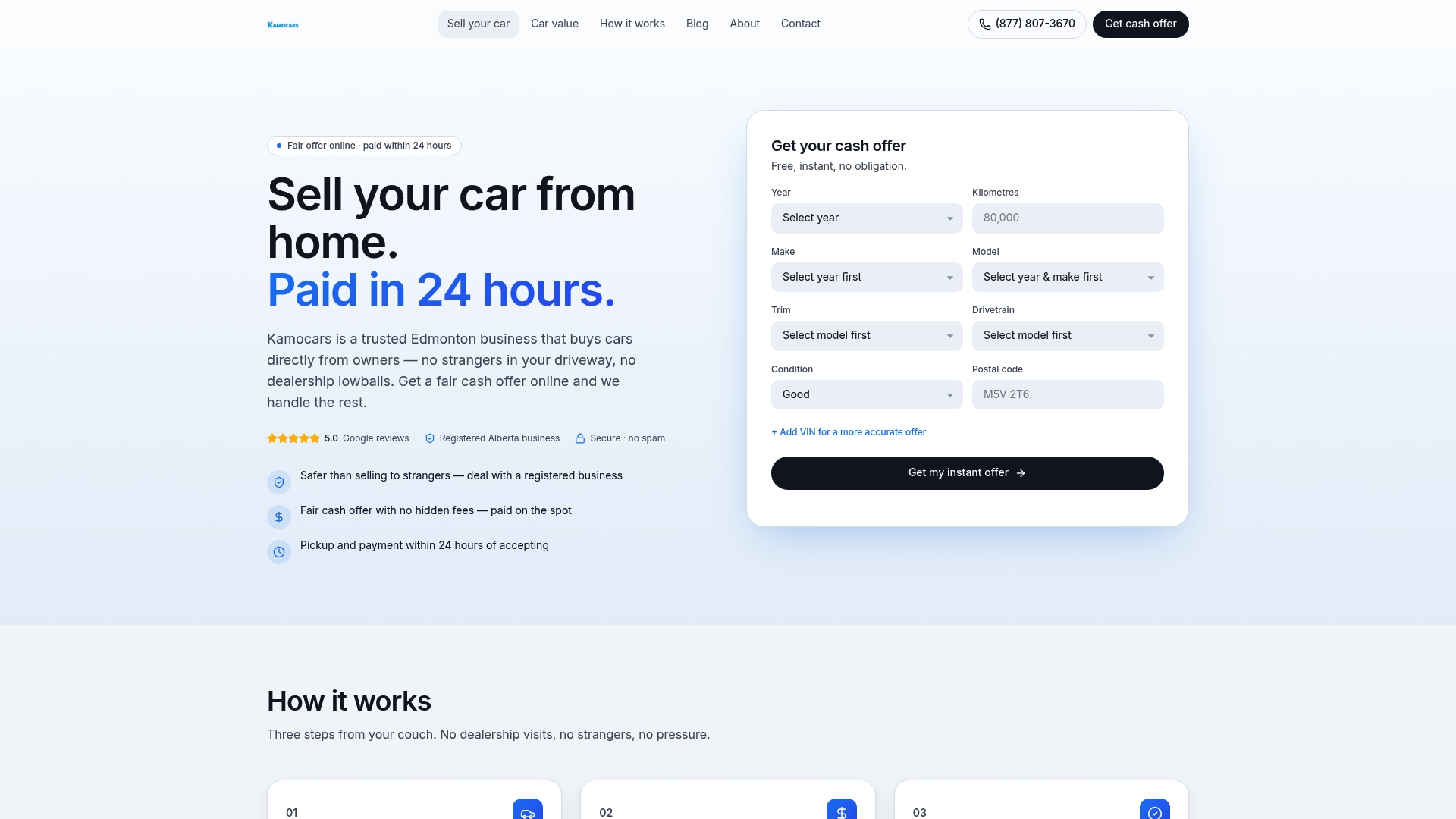
Sellkamocars handles the paperwork, the ownership transfer, and the payment within 24 hours of acceptance. That means no title backlog anxiety, no liability gap after handover, and no listing that sits for weeks. With over 500 completed transactions and a strong customer rating, the process is built to remove every friction point this article covers. See how it works and get your offer today. Sellers in Edmonton can also access a local cash offer with same-day pickup available.
FAQ
Why is my car not selling after weeks on the market?
Overpricing is the most common cause. Check sold prices for your exact trim and mileage, then adjust your asking price to within 5% of the median.
How long does it take to sell a car privately?
Private sales typically take longer than selling to a registered buyer service because they depend on finding the right individual buyer, negotiating price, and completing paperwork independently. Timelines vary widely based on pricing, condition, and market demand.
What documents do I need to sell my car quickly?
You need the title, a lien release letter if the vehicle has a loan, current registration, and your government-issued ID. Having these ready before listing prevents closing delays.
Does car condition really affect how long a sale takes?
Yes. Buyers factor in repair costs when evaluating used vehicles, especially luxury or high-performance models. Poor condition extends decision time and reduces the buyer pool.
Am I still liable for my car after I hand over the keys?
Yes. Sellers remain legally responsible for traffic violations and other liabilities until the registration transfer is officially processed by the relevant authority.
Recommended
Get a real cash offer in 2 minutes
Trusted business. Fair price. Paid on the spot when we pick up your car.