
Top 7 Common Car Selling Fraud Types: How to Spot and Stop Them
Discover how to identify and prevent common car selling fraud types. Safeguard your money and vehicle with essential tips and strategies.
Top 7 Common Car Selling Fraud Types: How to Spot and Stop Them

The most common car selling fraud types you’ll face as a private seller are fake cashier’s checks and overpayment scams, fake escrow and remote-buyer schemes, title washing and salvage misrepresentation, odometer rollback, VIN cloning, curbstoning by unlicensed dealers, and payment-rail reversals that expose your personal information. Each one can cost you your vehicle, your money, or both. Before you hand over keys or sign anything, take these three steps right now:
- Verify funds with your bank directly. Call the branch, not the number on the check. Ask a teller to confirm final settlement, not just available balance.
- Insist on in-person title transfer at a DMV office or your bank. Never mail a signed title to someone you haven’t met.
- Refuse wires to personal accounts, gift cards, and unverified cashier’s checks. The FTC flags all three as classic payment-fraud signals.
Platforms like Facebook Marketplace, Craigslist, and eBay are where most of these schemes originate. Fake PayPal and Amazon payment confirmations are common props. The Federal Trade Commission (FTC), the Internet Crime Complaint Center (IC3), and the Better Business Bureau (BBB) all maintain reporting portals you should bookmark before you list your car.
Pro Tip: “Available balance” in your bank account is not proof of cleared funds. A counterfeit cashier’s check can show as available for days before the bank reverses it. Hold the vehicle until a teller confirms final, irrevocable settlement.
Key Takeaways
Verifying payment finality with your bank before releasing the vehicle is the single most important step that prevents the majority of car selling fraud losses.
| Point | Details |
|---|---|
| Confirm funds are final | Ask a bank teller to confirm irrevocable settlement; available balance is not proof of cleared funds. |
| Never sign a blank title | Fill in the buyer’s name, sale price, and date before signing to prevent identity theft and title fraud. |
| Meet at a bank or police station | Completing the transaction at a bank lets you verify payment on the spot with a teller present. |
| Verify VIN in three locations | Check the dashboard, door jamb, and firewall; mismatches signal VIN cloning or a stolen vehicle. |
| Report fraud promptly | File with the FTC at reportfraud.ftc.gov, the IC3, your state attorney general, and local police immediately. |
Table of Contents
- What are the most common car selling scam types and how do you stop them?
- How do you verify the vehicle title, VIN, and history before releasing it?
- What are the safest payment methods and meeting practices for sellers?
- What should you do if you were scammed selling a car?
- Why do scammers borrow big-brand names to make car sale fraud work?
- What sellers consistently get wrong about car sale fraud
- Authoritative resources for reporting fraud and checking vehicle history
- Sources
What are the most common car selling scam types and how do you stop them?
Understanding how each scam works is the fastest way to recognize one in real time. Here is a practical breakdown of every major scheme, with red flags and avoidance steps for each.
Fake cashier’s checks and the overpayment trick
A buyer sends a cashier’s check for more than the agreed price, then asks you to wire back the difference before the check clears. The FTC’s consumer alert on fake check scams explains exactly how this works: banks are required to make funds available quickly, but that availability is not the same as the check being genuine. When the check bounces days or weeks later, you owe the bank the full amount, and the “buyer” has vanished with your refund.
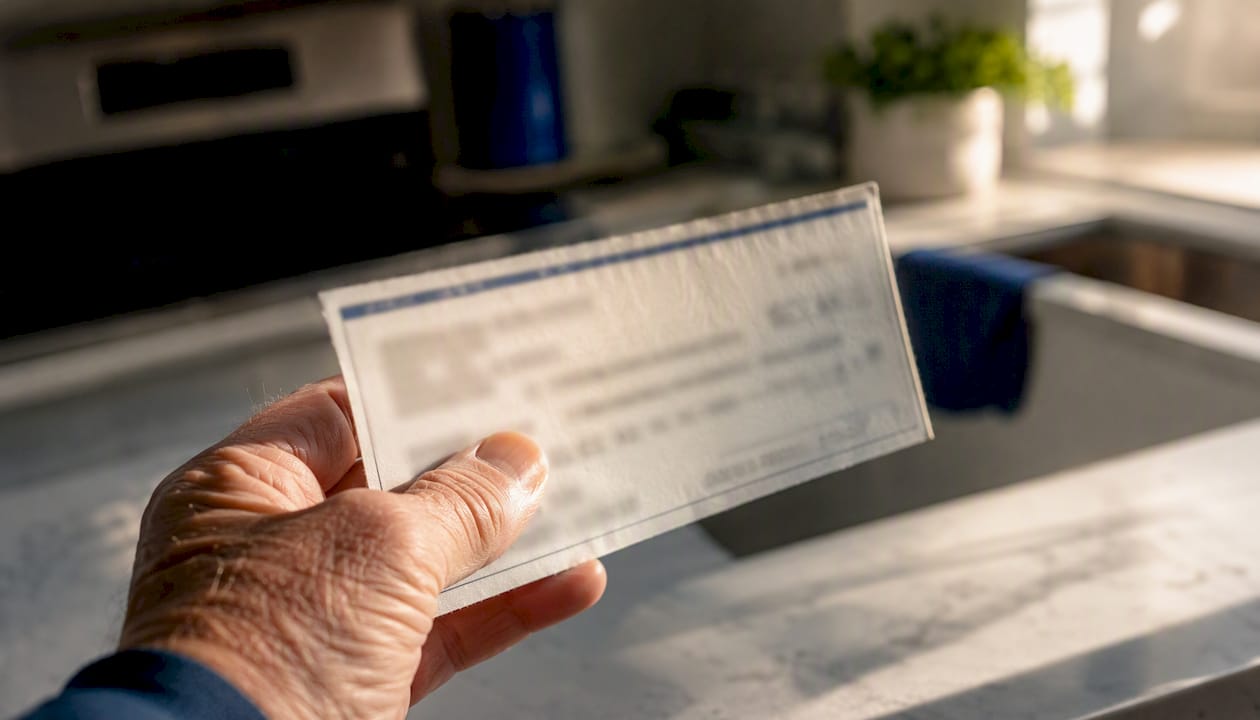
Red flags: Overpayment with a plausible excuse (“my company cut the check”), pressure to wire the difference immediately, refusal to wait for bank confirmation.
Avoidance steps:
- Decline any payment that exceeds the sale price, no matter the explanation.
- Bring the check to your bank branch and ask a teller to confirm it has fully cleared, not just posted.
- Never release the vehicle until your bank confirms final, irrevocable settlement in writing or verbally from a branch employee.
Fake wire transfers and payment-rail reversals
Some buyers send a wire transfer confirmation screenshot or a fake PayPal receipt. The money never actually arrives, or it arrives and is reversed within days through a dispute or chargeback. PayPal’s Goods and Services feature offers buyer protection that can reverse a payment after you’ve handed over the car.
Red flags: Screenshot-only “proof” of payment, PayPal Friends and Family requests (no buyer protection, but also no seller protection for disputes), urgency to complete the handoff before you check your account.
Avoidance steps:
- Log into your actual bank account or PayPal account to confirm the balance, not a screenshot.
- For high-value vehicles, use a bank wire confirmed by your bank’s wire department, not the buyer’s paperwork.
- Avoid PayPal entirely for vehicle sales; it is not designed for this transaction type.
Fake escrow, virtual vendor, and transport scams
A remote buyer insists on using a third-party escrow service you’ve never heard of, or claims a transport company will pick up the vehicle and hold payment until delivery. The escrow site looks professional, often mimicking legitimate services, but it is entirely fake. Fraud patterns in peer-to-peer vehicle sales show that fake escrow sites and counterfeit documents are among the most common schemes, with median victim losses can be substantial per incident.
Red flags: Buyer you’ve never met insists on a specific escrow company; the escrow site has no verifiable business registration; buyer refuses to meet in person or use a service you select.
Avoidance steps:
- Research any escrow service independently. Check the domain registration date and look for a physical address and phone number you can verify.
- For remote sales, review the remote car sale guide before agreeing to any shipping or escrow arrangement.
- If a buyer won’t meet locally or at a bank, treat that as a firm disqualifier.
Title washing and salvage misrepresentation
Title washing happens when a vehicle with a branded title (salvage, flood, rebuilt) is re-registered in a state with looser branding laws to remove the brand. The car then gets sold as clean-titled. According to AARP’s consumer fraud reporting, criminals sometimes register salvage or flood-damaged vehicles in lenient states specifically to strip the brand before resale.
As a seller, you can also be caught on the wrong side of this if you unknowingly purchased a washed title and now face liability for misrepresenting the vehicle.
Red flags: Title from a state where the car was never registered; VIN history showing gaps or multiple state registrations in a short period; title that looks freshly issued.
Avoidance steps:
- Run a full VIN history check before listing your car so you know its title status.
- Disclose any known damage history in writing. Concealing it creates legal liability.
- Contact your state DMV if a buyer or a title document raises questions about branding.
Odometer rollback
Odometer fraud involves physically or digitally rolling back the mileage display to inflate the vehicle’s apparent value. Digital odometers are not immune; specialized devices can alter the reading on most modern vehicles.
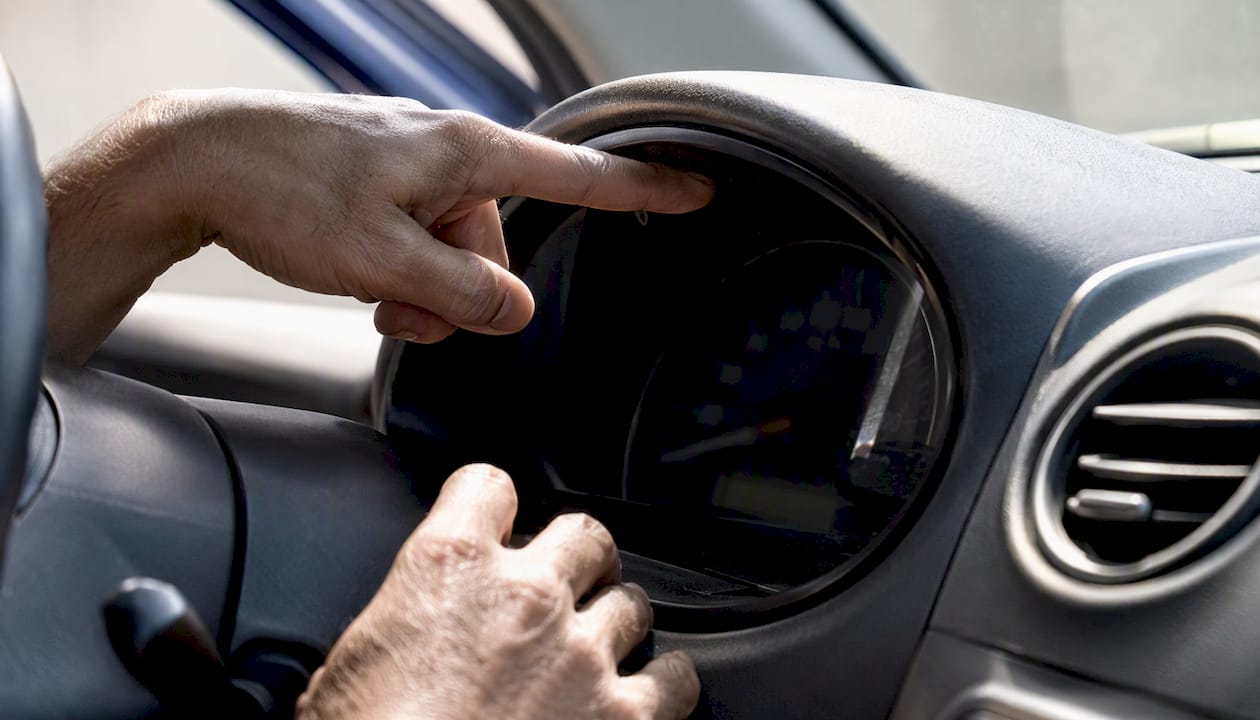
Red flags: Mileage on the title or service records doesn’t match the odometer; worn pedals, steering wheel, or seats inconsistent with the displayed miles; VIN history showing higher mileage at a prior inspection.
Avoidance steps:
- Pull a vehicle history report before listing so you can confirm your own odometer is accurate and documented.
- Keep all service records that show mileage at each visit. These protect you if a buyer later disputes the reading.
Pro Tip: If you’re buying a car to resell, a CarFax or AutoCheck report showing a prior mileage reading higher than the current odometer is a definitive red flag. Walk away.
VIN cloning
A cloned VIN involves taking the Vehicle Identification Number from a legitimately registered vehicle and attaching it to a stolen car. The stolen car then passes basic VIN checks because the number belongs to a real, clean vehicle. This affects sellers when a buyer attempts to use a cloned VIN to register a vehicle in your name or when a vehicle you’re selling has been cloned without your knowledge.
Red flags: VIN plate that looks tampered with or re-attached; VIN on the dashboard doesn’t match the door jamb or the firewall stamp; buyer wants to complete the transaction unusually fast.
Avoidance steps:
- Check the VIN in at least three locations: dashboard, driver’s door jamb, and the firewall.
- Run the VIN through the National Insurance Crime Bureau (NICB) VINCheck tool, which is free and checks for theft and salvage records.
- If the VINs don’t match across locations, stop the transaction and contact local police.
Curbstoning and identity theft from oversharing paperwork
Curbstoning is when an unlicensed dealer poses as a private seller to avoid dealer regulations, taxes, and disclosure requirements. They often list multiple vehicles on Craigslist or Facebook Marketplace with vague personal stories. As a legitimate seller, the risk to you is different: you may be approached by a curbstoner who wants to buy your car below market, flip it quickly, and use your paperwork carelessly, exposing your personal information.
Identity theft is a real secondary risk in any private sale. Handing a buyer your driver’s license, Social Security number, or signed title before payment is confirmed gives them everything they need to open accounts in your name.
Red flags: Buyer asks for more personal information than a transaction requires; wants a signed title before payment; offers to “handle the paperwork” on your behalf.
Avoidance steps:
- Never sign a blank title. Fill in the buyer’s name, sale price, and date before signing.
- Limit what you share: a buyer needs to see your ID to confirm you’re the owner, not a copy of it.
- Review the car sale fraud prevention checklist for a complete list of what to share and what to withhold.
| Scam Type | Primary Red Flag | Immediate Seller Response |
|---|---|---|
| Fake cashier’s check / overpayment | Check exceeds sale price; pressure to refund difference | Decline overpayment; confirm final clearance with bank teller |
| Fake wire / payment reversal | Screenshot-only proof; PayPal chargeback risk | Log into your own account to verify; avoid PayPal for vehicle sales |
| Fake escrow / transport | Buyer insists on unknown escrow company | Verify escrow independently; require in-person or bank meeting |
| Title washing / salvage fraud | Title from unfamiliar state; recent re-registration | Run VIN history; contact DMV for title verification |
| Odometer rollback | Mileage inconsistent with wear; prior records show higher miles | Pull vehicle history report; keep all service records |
| VIN cloning | Mismatched VINs across locations; rushed buyer | Check VIN in three locations; run NICB VINCheck |
| Curbstoning / identity theft | Buyer wants signed blank title or excess personal info | Never sign blank title; limit personal info shared |
How do you verify the vehicle title, VIN, and history before releasing it?
Confirming your paperwork is clean before you list protects you from liability and gives buyers confidence. Work through this checklist in order before your first showing.
- Match the VIN across four locations. Check the dashboard (visible through the windshield), the driver’s door jamb sticker, the firewall stamp under the hood, and your title document. All four must match exactly.
- Check the title for security features. Authentic state titles include watermarks, microprinting, and raised seals depending on the state. Hold the title up to light. If it looks like a standard printout, contact your DMV before proceeding.
- Verify lien status with your DMV or lender. If you have an outstanding loan, the lender holds the title. Contact them first to confirm the payoff amount and the process for releasing the lien at closing.
- Check the title brand. Look for the words “salvage,” “rebuilt,” “flood,” “junk,” or “lemon law buyback” anywhere on the document. If any of those appear, disclose them in your listing.
- Run a VIN history report. Services like Carfax and AutoCheck pull records from DMVs, insurance companies, and auction houses. Look for odometer discrepancies, accident history, title brands, and gaps in ownership history.
- Run a free NICB VINCheck. The National Insurance Crime Bureau’s tool checks for theft and salvage records at no cost. It takes under two minutes.
- Contact your state DMV if anything looks off. Most state DMVs have a title inquiry line or online portal. If a document looks altered or a history report shows something unexpected, call before you list.
Pro Tip: Do your VIN checks before meeting any buyer, not during. Discovering a problem at the meeting gives a scammer leverage to pressure you into a rushed decision. Know your vehicle’s history cold before anyone shows up.
For a full step-by-step transaction walkthrough, the safe car sale transaction guide covers each stage from listing to title transfer.
What are the safest payment methods and meeting practices for sellers?
Where and how you complete the transaction matters as much as the price you negotiate. Most payment fraud happens in the final thirty minutes of a sale.
Payment method dos and don’ts
Do:
- Accept cash for lower-value vehicles and count it carefully.
- Use a bank-to-bank wire confirmed by your bank’s wire department for high-value sales.
- Ask for a cashier’s check only if you can walk to the issuing bank branch together to verify it on the spot.
Don’t:
- Accept gift cards, cryptocurrency, or Zelle for vehicle sales. None of these offer reversal protection for sellers, and all are favored by scammers.
- Accept a personal check. They can bounce days after you’ve released the vehicle.
- Agree to wire money back for any reason. An overpayment is always a scam setup.
The FTC’s car buying scam guidance specifically flags wire transfers, gift cards, and off-platform payment requests as the most common fraud signals in vehicle transactions.
Safe meeting checklist
Follow this sequence for every in-person sale:
- Choose the location. Meet at your bank branch or a police station’s designated safe-exchange zone. Many local police departments in the U.S. have marked parking spots specifically for this purpose.
- Bring your documents. Carry the original title, your government-issued ID, and a printed bill of sale with the sale price, VIN, odometer reading, and both parties’ names filled in.
- Verify the buyer’s identity. Ask to see a driver’s license and write down the name and license number before handing over anything.
- Confirm payment finality before releasing keys. If paying by cashier’s check, walk into the bank together and have a teller confirm the check is genuine and the funds are available from the issuing account. If paying by wire, wait for your bank to confirm receipt.
- Sign the title over correctly. Fill in every field. Never leave the buyer’s name blank. Both parties sign, and you keep a copy of the completed bill of sale.
- Notify your DMV. File a notice of sale or release of liability with your state DMV the same day. This protects you if the buyer gets a ticket or causes an accident before re-registering.
Red flags in buyer behavior: Pressure to skip any of the above steps, claims of military deployment or overseas location as a reason to use escrow, refusal to meet at a bank, and requests to move communication from the listing platform to personal email or WhatsApp.
Pro Tip: Before handing over the keys, take a photo of the buyer’s ID and the completed bill of sale together. If a dispute arises later, you have documented proof of who took possession and under what terms.
What should you do if you were scammed selling a car?
Speed matters. The faster you act, the better your chances of limiting the damage.
- Contact your bank immediately. Tell them you believe you’ve been the victim of payment fraud. Ask them to freeze any pending transactions and flag the account. If a check hasn’t fully cleared, they may be able to stop the reversal before it hits.
- File a police report. Go to your local police department in person. Bring every piece of documentation: the buyer’s name and ID copy, all text messages and emails, screenshots of the listing, the fake check or payment confirmation, and the VIN and title documents. A police report number is required for most subsequent steps.
- Preserve all communications. Screenshot every message, email, and payment notification. Save them to a cloud account so they can’t be lost if your device is compromised.
- File a report with the FTC at Reportfraud. The FTC uses these reports to identify fraud patterns and can refer cases to law enforcement.
- File a complaint with the IC3. The Internet Crime Complaint Center is the FBI’s portal for internet-enabled fraud, including vehicle-sale scams. Include timestamps, payment records, and all VIN and title documents in your submission.
- Contact your state attorney general’s consumer protection office. Most states have an online complaint portal. A quick search for “[your state] attorney general consumer complaint” will find it.
- Notify your DMV about potential title or VIN fraud. If a signed title was taken under false pretenses, your DMV can flag the title and potentially block a fraudulent transfer.
- Report to the BBB. Filing a BBB complaint at bbb.org creates a public record and can alert other sellers to the same buyer.
Timeline expectations: Banks typically take days to weeks to investigate payment fraud. Funds that appeared available in your account can be reversed even after you’ve spent them. Insurance coverage for voluntary vehicle handovers is often denied, as Tennessee’s consumer alert and subsequent reporting confirm: if you willingly handed over the keys, your insurer may treat it as a voluntary transaction rather than a theft.
Pro Tip: When filing your IC3 or police report, organize your evidence chronologically: first contact, listing platform, payment attempt, vehicle handover, and discovery of fraud. Investigators can act faster when the timeline is clear and the documents are attached in order.
Why do scammers borrow big-brand names to make car sale fraud work?
Brand recognition is a psychological shortcut, and scammers exploit it deliberately. When a buyer sends you an email that looks like it came from eBay Motors, PayPal, or Amazon, your brain registers the familiar logo and layout before it reads the fine print. Fraud rings use counterfeit eBay paperwork, fake support lines, and spoofed invoices to push sellers off-platform into fraudulent transfers. The platform’s brand is the bait; the actual transaction never touches that platform.
This is social engineering at its most practical. A scammer doesn’t need to hack eBay. They just need you to believe they did.
How to verify whether a message is actually from the platform
- Log into your account directly. Open a new browser tab, go to the platform’s real URL, and check your inbox there. If the payment or message isn’t visible in your official account, it doesn’t exist.
- Check the sender’s email domain carefully. Legitimate eBay emails come from @ebay.com. Scam variants use addresses like @ebay-motors-support.com or @ebay.co-payment.net. The difference is easy to miss at a glance.
- Look for mismatched reply-to addresses. The display name may say “PayPal Support” while the actual reply-to address is a Gmail or random domain. Most email clients show this if you click the sender’s name.
- Never call a phone number in an unsolicited email. Scammers staff fake support lines. Find the platform’s official support number on its real website.
The one rule that covers every brand-spoofing attempt
If a buyer invokes a platform’s protections, payment system, or escrow service in a message that arrived outside that platform, the transaction is not on that platform. A real eBay Motors transaction lives in your eBay account. A real PayPal payment shows in your PayPal balance. Any “confirmation” that exists only in your email inbox and nowhere in your account is a fake.
Pro Tip: Before responding to any payment confirmation email, open the platform app on your phone and check your account balance or message inbox. If the confirmation isn’t there, the email is fraudulent. Delete it and block the sender.
What sellers consistently get wrong about car sale fraud
Most sellers who get scammed aren’t careless. They’re trusting, and scammers are good at earning that trust quickly. The single most common mistake is treating “available balance” as proof of payment. A bank showing funds available from a deposited check is not the same as those funds being yours permanently. Banks can and do reverse deposits weeks after the fact when a check is identified as counterfeit, and the depositor is liable for the full amount.
The second mistake is assuming that a professional-looking document means a legitimate buyer. Counterfeit cashier’s checks, fake escrow sites, and spoofed eBay invoices are produced by organized fraud rings with real graphic design resources. A polished PDF is not due diligence.
The third, and most avoidable, mistake is skipping the bill of sale. A written bill of sale that spells out the sale price, payment method, VIN, odometer reading, and both parties’ identities is your primary legal protection if a dispute arises. The car sale contracts guide covers exactly what that document needs to include.
For sellers who want to avoid private-sale fraud exposure entirely, Sellkamocars offers a documented, haggling-free purchase process with payment confirmed within 24 hours. There are no strangers, no cashier’s checks, and no escrow sites to verify. You can get a free instant car value to see what your vehicle is worth before deciding which route to take.
Authoritative resources for reporting fraud and checking vehicle history
Use these resources at the right stage of your sale or after a suspected fraud attempt.
For reporting fraud:
- FTC — reportfraud.ftc.gov: File a consumer fraud complaint and preserve evidence. The FTC uses reports to identify patterns and refer cases.
- IC3 — ic3.gov: The FBI’s Internet Crime Complaint Center for internet-enabled fraud, including vehicle-sale scams. Include all timestamps, screenshots, and payment records.
- State attorney general consumer protection portal: Search “[your state] attorney general consumer complaint” for your state’s online form. Most states process complaints within a few weeks.
- Better Business Bureau — bbb.org: File a complaint to create a public record and alert other sellers.
- Local police department: Required for a police report number, which most banks and insurance companies need before opening a fraud investigation.
For verifying vehicle history and title:
- Carfax (carfax.com) and AutoCheck (autocheck.com): Paid VIN history reports pulling from DMV, insurance, and auction records. Look for odometer discrepancies, title brands, and ownership gaps.
- NICB VINCheck (nicb.org/vincheck): Free theft and salvage check from the National Insurance Crime Bureau. Takes under two minutes.
- Your state DMV: Contact the title inquiry line to verify lien status, title brands, and ownership history before listing or transferring.
For your bank:
- Contact your bank’s fraud department immediately if you suspect a payment reversal or counterfeit check. Ask them to place a hold on the transaction and document the call with a reference number.
This article is general information, not a substitute for advice from a qualified financial advisor. Consult a qualified financial professional about your own circumstances before acting on anything here.
Sources
- Consumer Alert: Be on Alert for Facebook Marketplace Auto Purchasing Scams
- Fraud Patterns in Peer to Peer Used Vehicle Sales Transactions · TrustMatch
- Internet Crime Complaint Center (IC3)
Recommended
Get a real cash offer in 2 minutes
Trusted business. Fair price. Paid on the spot when we pick up your car.