
Secure Payment Car Sale Steps: Canada Seller's Guide
Learn essential secure payment car sale steps to protect yourself when selling your vehicle in Canada. Ensure a safe transaction today!
Secure Payment Car Sale Steps: Canada Seller’s Guide
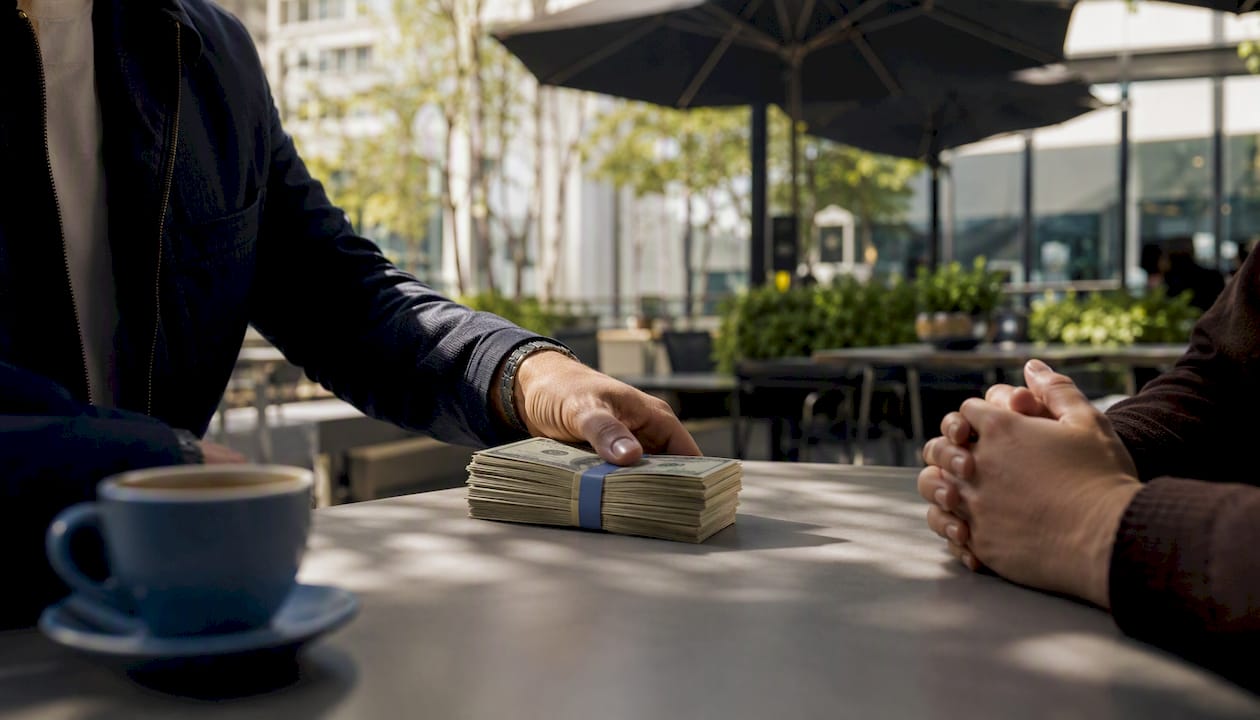
Never hand over the keys, signed title, or the vehicle itself until your bank confirms the payment is fully cleared and available in your account. That single rule covers most of the risk in a private car sale. The safest payment methods, in order, are bank wire transfer, bank-verified cash deposit, and escrow for high-value sales.
If you’re meeting a buyer today, follow these steps first:
- Meet at a bank branch, not a parking lot or your home.
- Ask for government-issued photo ID and match it to the name on all paperwork.
- Confirm with a teller or your own banking app that funds show as cleared, not pending, before you sign anything.
Pro Tip: “Pending” is not the same as cleared. A check or transfer can appear available in your account and still be reversed days later. Only a teller’s verbal confirmation or a cleared balance in your banking app counts.
Key Takeaways
Never release the vehicle, keys, or signed title until your bank confirms the payment is fully cleared — that single rule protects you from the most common private-sale fraud scenarios in Canada.
| Point | Details |
|---|---|
| Never release before clearance | Keys, title, and vehicle stay with you until your bank confirms funds are cleared, not pending. |
| Match payment method to sale price | Cash at a bank branch for under $5,000; bank wire or cashier’s check for $5,000–$15,000; wire or escrow above $15,000. |
| Meet at a bank branch | Tellers can verify cash, cashier’s checks, and confirm transfer status — a parking lot cannot. |
| Keep all paperwork | Retain the signed bill of sale, provincial transfer receipt, and transaction reference for at least two years. |
| Sellkamocars as a secure alternative | Sellkamocars handles payment, lien payoff, and pickup within 24 hours, removing private-sale payment risk entirely. |
Table of Contents
- What are the secure payment car sale steps from listing to transfer?
- Which payment methods are actually safe for a Canadian car sale?
- What do you need to verify before handing over the keys?
- What paperwork do you need to bring and keep?
- What should you do if something goes wrong?
- Is there a safer alternative to a private sale?
- Sellkamocars pays you securely, without the private-sale risk
- Sources
What are the secure payment car sale steps from listing to transfer?
Follow this sequence. Each step builds on the one before it, and skipping any one of them is where sellers get burned.
- Set your price and prepare paperwork. Use a Canadian valuation tool to set a fair asking price. Gather your vehicle title, maintenance records, a bill-of-sale template, and your government-issued ID. Selling a car privately requires the same paper trail discipline as a business transaction.
- Screen buyers before meeting. Confirm the buyer’s phone number, ask them to bring photo ID, and agree on a bank branch as the meeting location. Avoid buyers who push for evening meetups or refuse to meet at a bank.
- Conduct a safe test drive. Ride along, or ask for a copy of the buyer’s driver’s license before handing over the keys. Never let a buyer drive alone with the vehicle before payment is confirmed.
- Execute payment at the bank. The buyer initiates the transfer, withdraws cash, or has a cashier’s check issued while you watch. You confirm with the teller or your app that funds are cleared.
- Sign the bill of sale and transfer title. Only after cleared-funds confirmation do you sign the bill of sale, hand over the title, and complete the ownership transfer per your provincial registry rules.
- File a release of liability. Notify your provincial vehicle registry that the vehicle has changed hands. Cancel or transfer your plates and update your insurance the same day.
Pro Tip: In Ontario, you can notify the Ministry of Transportation online the same day you sell. Keep a copy of the transfer receipt as proof the vehicle is no longer registered to you.
Which payment methods are actually safe for a Canadian car sale?
Not all payment options carry the same risk. Here’s how each one works in practice and what verification looks like.
Bank wire and electronic transfers
Wire transfers are effectively final once your bank confirms receipt. Same-day or next-business-day arrival is typical. Your bank can confirm the wire reference number and settled status in-branch. For amounts over $15,000, a wire is the most reliable option.
Cash
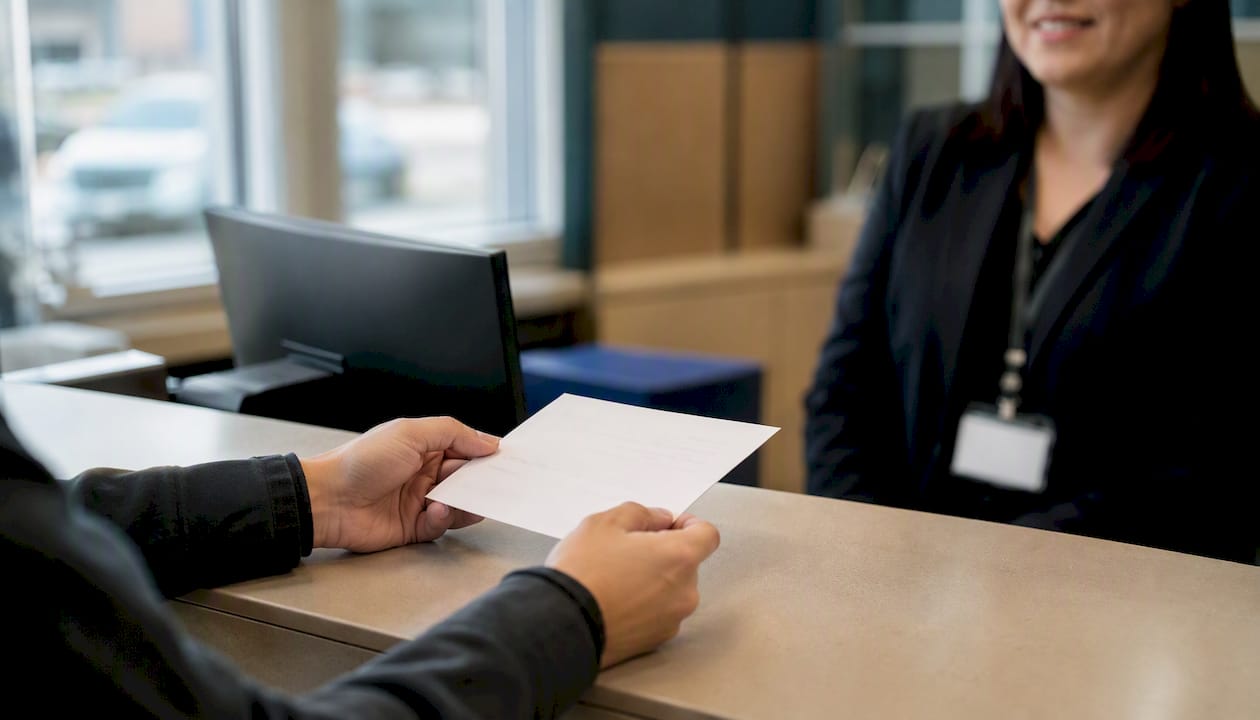
Cash works well for sales under $5,000. The safest approach: have the buyer withdraw funds at the branch where you plan to deposit, so the teller can detect counterfeits and deposit immediately. This eliminates the risk of transporting a large unverified sum. Ontario’s official guidance recommends this exact procedure.
Cashier’s checks and certified checks
Cashier’s checks look legitimate and can be convincing forgeries. The only safe approach is to accompany the buyer to their bank and watch the check being issued by a teller. Even then, wait for your bank to confirm clearance before releasing the vehicle. Meeting at a bank branch lets tellers verify the instrument and gives both parties a documented receipt.
Escrow services
For sales over $15,000 or out-of-area buyers, a legitimate escrow service holds the buyer’s funds until all conditions are met. Expect the process to add 5–20 days depending on the provider and any inspection requirements. Fees apply, but the protection is real for high-value transactions.
Personal checks and P2P apps
Avoid both for vehicle sales. Personal checks can bounce weeks after the transaction. Consumer-focused payment apps generally lack seller protection and allow reversals. Neither is appropriate for a transaction involving a title transfer.
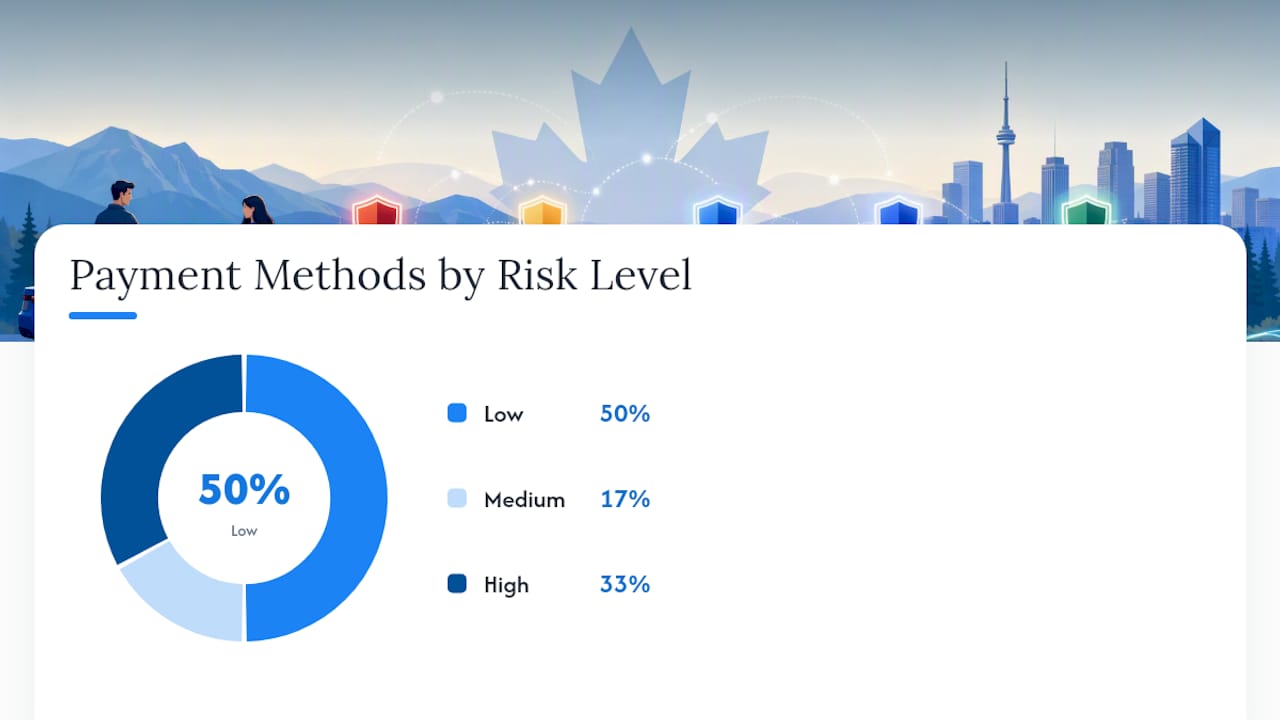
| Payment Method | Best For | Verification Step | Risk Level |
|---|---|---|---|
| Bank wire transfer | Over $15,000 | Confirm wire reference with teller | Low |
| Cash at bank | Under $5,000 | Teller counts and deposits immediately | Low |
| Cashier’s check | $5,000–$15,000 | Watch it issued; wait for clearance | Medium |
| Escrow service | High-value or remote | Funds held until conditions met | Low (with fees) |
| Personal check | Not recommended | No reliable verification | High |
| P2P apps | Not recommended | Reversals possible | High |
What do you need to verify before handing over the keys?
Run through this checklist before you sign anything or release the vehicle.
-
Cleared funds confirmed. Your banking app shows the balance as cleared, or a teller confirms it verbally. Screenshots on the buyer’s phone do not count.
-
Government photo ID verified. Match the buyer’s name on the ID to the name on the bill of sale. Keep a photocopy.
-
Title is lien-free. If your vehicle has an outstanding loan, the lender must be paid off before you can transfer the title. A lien on the vehicle means the buyer’s payment must satisfy the lender first, which adds steps that are easier to manage through a professional buyer.
-
Bill of sale includes payment-cleared language. Add a line like this:
-
Transaction receipt saved. Keep the wire reference number, teller receipt, or escrow confirmation in a file with the bill of sale.
Pro Tip: Use a trusted buyer verification checklist before every meeting. Verifying ID and lien status takes ten minutes and eliminates the two most common sources of post-sale disputes.
How long does payment verification take, and what limits apply?
Set your expectations before the meeting, not during it.
- Instant rails (real-time payments). Some Canadian banks support real-time transfers that settle in seconds. Both banks must support the rail, and daily limits often cap at $3,000–$10,000 depending on the institution.
- Interac e-Transfer. Funds appear quickly but can be reversed in certain fraud scenarios. Not recommended as the sole verification for vehicle sales above $5,000.
- Wire transfers. Typically arrive same-day or next business day. Once your bank confirms receipt, the funds are final. Sender and recipient fees apply, usually $15–$50 per transaction depending on the bank.
- Escrow. Plan for 5–20 days from funding to release.
Practical rule: budget a 24–72 hour verification window for any non-instant method. Confirm your bank’s daily incoming transfer limit before the meeting so neither party is caught off guard.
What paperwork do you need to bring and keep?
Bring every document on this list to the meeting. Keep copies of everything afterward.
| Document | Bring to Meeting | Keep Afterward |
|---|---|---|
| Vehicle title (signed) | Yes | Copy |
| Government-issued photo ID | Yes | Copy of buyer’s ID |
| Bill of sale (two copies) | Yes | Your signed copy |
| Lien release (if applicable) | Yes | Original |
| Maintenance records | Optional | Yes |
| Transaction receipt or wire reference | No | Yes |
| Provincial transfer receipt | No | Yes |
Bill of sale must include: seller and buyer full names, VIN, odometer reading, sale price, payment method, payment-cleared confirmation line, witness or bank verification line, both signatures, and the date.
After the sale, submit the ownership transfer to your provincial registry. In Alberta, this is done through a registry agent. Cancel or transfer your plates the same day, and notify your insurer immediately. A complete legal paperwork checklist covers every province’s specific requirements.
Pro Tip: Keep your copy of the bill of sale and the provincial transfer receipt for at least two years. If a parking ticket or toll violation arrives after the sale, you’ll need both to dispute liability.
What should you do if something goes wrong?
Recognize the warning signs before they cost you the vehicle.
Red flags to watch for:
- Buyer pressures you to release the vehicle before funds clear.
- Buyer insists on an after-hours or remote handoff.
- Buyer refuses to meet at a bank.
- Overpayment story followed by a request to wire back the difference.
- Payment arrives via a third-party courier or an unfamiliar escrow link.
If you suspect fraud after the sale:
- Call your bank immediately and report the suspected fraudulent instrument or transfer.
- Preserve all communication: texts, emails, and screenshots.
- File a report with your local police and get a case number.
- Notify your provincial vehicle registry that the transfer may be fraudulent.
- Contact a lawyer if the vehicle or a significant sum is at stake.
A signed bill of sale with the payment-cleared language described above is your primary evidence. A fraud prevention guide for private sellers covers the most common scam patterns in detail.
Is there a safer alternative to a private sale?
Yes. Selling to a professional buyer removes most of the payment risk entirely.
How Sellkamocars works:
- Submit your vehicle details online for an instant cash offer based on Canadian wholesale data.
- Accept the offer and schedule a free pickup at your location.
- Receive secure payment within 24 hours, handled directly by the business.
- Financed vehicles are handled too: Sellkamocars coordinates lien payoff with your lender so you don’t have to manage that step yourself.
When a professional buyer makes more sense than a private sale:
- Your vehicle has an outstanding loan and lien payoff coordination is complex.
- You want to avoid vetting strangers or managing large cash transfers.
- Speed matters more than squeezing out the last dollar of private-sale premium.
- You have safety concerns about in-person meetups with unknown buyers.
| Factor | Private Sale | Sellkamocars |
|---|---|---|
| Payment risk | Managed by seller | Handled by business |
| Lien payoff | Seller coordinates | Sellkamocars coordinates |
| Buyer vetting | Seller’s responsibility | Not required |
| Timeline | Days to weeks | Within 24 hours |
| Price potential | Higher ceiling | Fair market offer |
Pro Tip: If your vehicle is 2018 or newer and in running condition, Sellkamocars can give you an instant offer online in minutes. No haggling, no strangers, no waiting for a check to clear.
The private sale vs. professional buyer decision
The conventional advice is always “sell privately to get more money.” That’s true in theory. In practice, the price premium from a private sale often shrinks when you account for the time spent screening buyers, the risk of a fraudulent payment, and the administrative work of lien payoff and provincial transfer paperwork.
My rule: choose a private sale when the expected price difference is worth the extra time and the security steps feel manageable. Choose a professional buyer when you have a lien, when speed matters, or when the thought of meeting strangers with a large cash sum feels like more risk than the premium is worth.
A seller with a clean title, a $6,000 vehicle, and time to spare can follow the steps in this guide and come out ahead. A seller with a $22,000 truck, an outstanding loan, and a tight schedule is better served by a service that handles payment and lien payoff in one step.
Sellkamocars pays you securely, without the private-sale risk
Skip the bank meetups and the fraud checks. Sellkamocars buys your car, truck, or SUV directly, with secure payment delivered within 24 hours of accepting your offer.
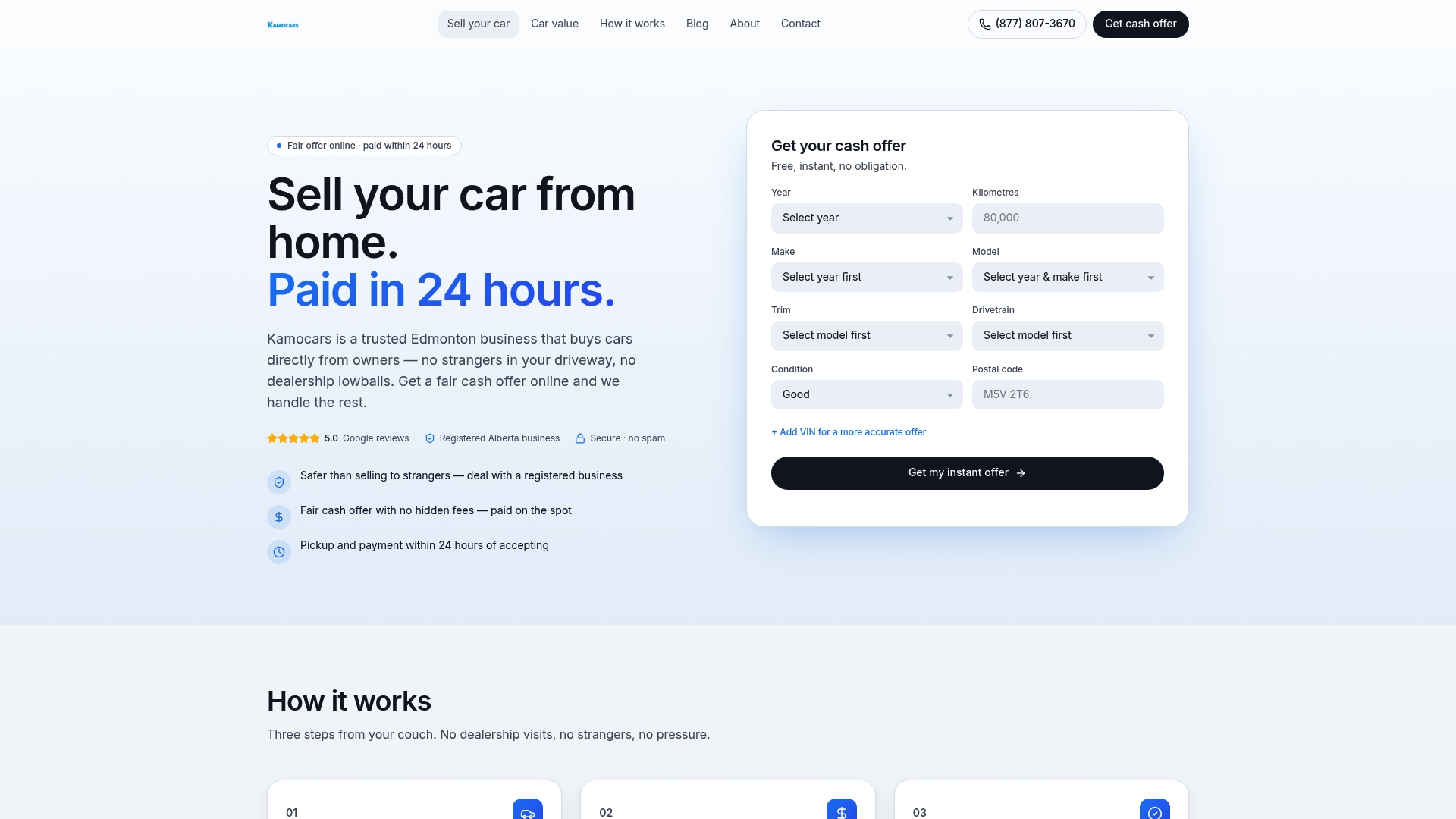
Here’s what the process looks like:
- Instant appraisal based on current Canadian wholesale data, no haggling.
- Secure bank payment handled by the business, not a stranger.
- Lien payoff coordination if your vehicle is financed.
- Free pickup at your location across Alberta.
No strangers, no waiting for checks to clear, no provincial paperwork headaches. Get your cash offer today and have payment arranged within 24 hours.
Sources
- Buy or sell a used vehicle — Ontario
- How to sell a car privately | Progressive
- Safe payment methods to accept in a car sale — Chase
- The safest ways to accept payment when selling a car — SellCarAdvisor
This article is general information, not a substitute for advice from a qualified financial advisor. Consult a qualified financial professional about your own circumstances before acting on anything here.
Recommended
Get a real cash offer in 2 minutes
Trusted business. Fair price. Paid on the spot when we pick up your car.